Reducing food waste at home is an easy and effective way to save money, conserve resources, and help the environment. Many households discard perfectly good food due to poor planning or improper storage. By adopting a few simple habits, you can significantly cut down on food waste in your kitchen. This guide offers practical strategies to help you make the most of your groceries and contribute to a more sustainable lifestyle.
Why Reducing Food Waste Matters
Food waste is a global issue with environmental and economic impacts. When food is wasted, the water, energy, and labor used to produce and transport it are also wasted. Additionally, food sent to landfills produces methane, a potent greenhouse gas. By reducing food waste, you help lower your household’s carbon footprint and reduce unnecessary expenses.
Plan Your Meals and Shop Smart
One of the best ways to avoid food waste is to plan your meals before shopping. This prevents impulse buys and ensures you only purchase what you need.
– Create a weekly meal plan: Decide what you’ll cook for each day to know exactly which ingredients you need.
– Make a shopping list: List only the items necessary for your meals and stick to it.
– Check your pantry: Review what you already have to avoid buying duplicates.
– Shop more often but buy less: Smaller, more frequent trips can help you purchase fresher ingredients and reduce spoilage.
Store Food Properly
Proper storage extends the life of your food and helps maintain freshness.
– Use clear containers: Store leftovers and bulk items in see-through containers so you can easily identify what needs to be used.
– Keep fruits and vegetables separate: Some fruits release gases that speed up ripening and spoilage of vegetables.
– Use airtight containers: Seal products like cereal, bread, and nuts to keep them fresh longer.
– Understand your fridge zones: Store dairy, meats, and fresh produce in the appropriate areas for optimal temperature and humidity.
Practice Portion Control and Use Leftovers Creatively
Overserving leads to more uneaten food on plates.
– Serve smaller portions: You can always go back for seconds if hungry.
– Repurpose leftovers: Turn yesterday’s dinner into today’s lunch or create new dishes like soups, salads, or stir-fries.
– Freeze excess food: Freeze leftovers or surplus ingredients that won’t be eaten soon to prevent spoilage.
Use Frozen and Canned Foods Wisely
Frozen and canned foods are convenient and have longer shelf lives.
– Keep a stock of frozen fruits and veggies: These are great additions to smoothies, soups, and stews.
– Rotate canned goods: Use older items first to avoid expiration.
– Freeze fresh produce before it spoils: For example, berries and herbs can be frozen for later use.
Monitor Expiration Dates, But Use Your Senses
Expiration dates can be confusing, and some foods remain safe past their printed dates.
– Understand “best by” vs. “use by”: “Best by” indicates quality, while “use by” refers to safety.
– Trust your senses: Look, smell, and taste food to determine if it’s safe to eat.
– Label leftovers with dates: This helps you keep track of how long food has been stored.
Compost Food Scraps
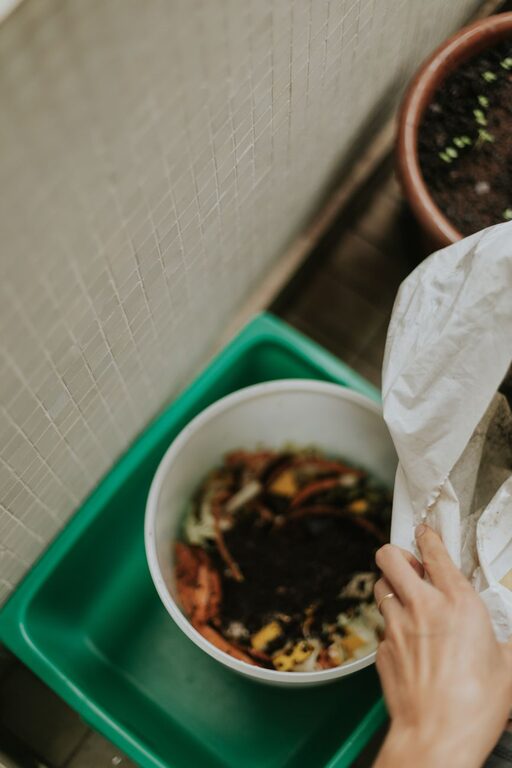
Even with the best efforts, some food waste is inevitable. Composting transforms scraps into nutrient-rich soil.
– Set up a compost bin: Use kitchen scraps like vegetable peels, coffee grounds, and eggshells.
– Avoid composting meat or dairy: These can attract pests and create odors.
– Use compost in your garden or plants: It enriches soil and reduces waste sent to landfills.
Educate Your Household
Involve everyone in the household to create habits that reduce food waste.
– Share waste-reducing tips: Teach family members about portion sizes and proper storage.
– Encourage mindful eating: Discuss the importance of not wasting food.
– Assign roles: Rotate tasks such as meal planning, shopping, or composting to keep everyone engaged.
Final Thoughts
Reducing food waste at home is achievable with simple changes to planning, shopping, storing, and using food wisely. These efforts can save money, reduce environmental impact, and promote healthier eating habits. Start implementing these strategies today to make your kitchen more efficient and waste-conscious. Every small step counts toward a more sustainable future.
About the Author