
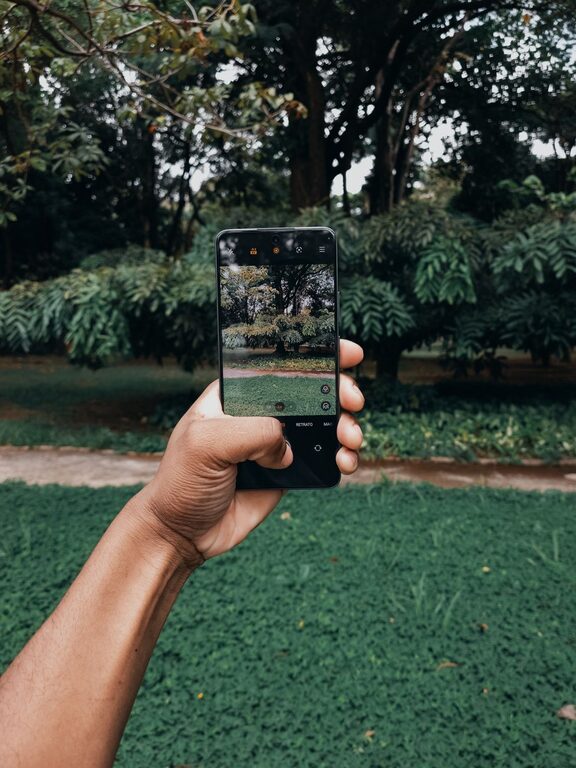
Taking great photos with your phone is easier than you might think. Whether you want to capture memories, share on social media, or just have fun experimenting, a few simple tips can make a big difference. This guide covers beginner-friendly advice to help you take better phone photos today.
Understand Your Phone Camera’s Basics
Before diving into techniques, familiarize yourself with your phone’s camera features:
– Explore the camera app: Learn where settings like focus, exposure, and timer are located.
– Know your lenses: Many phones have multiple lenses (wide, ultra-wide, zoom). Try each to see how they change your photo.
– Use gridlines: Enable gridlines in your camera settings to help with composition and keep photos level.
Composition: The Key to Great Photos
Composition refers to how elements are arranged in your photo. Good composition makes photos more interesting and visually pleasing.
Use the Rule of Thirds
Imagine your screen divided into a 3×3 grid. Place the main subject along these lines or at their intersections to create a balanced image.
Keep It Simple
Avoid clutter by focusing on one main subject or keeping the background clean. Too many elements can distract from your photo’s focus.
Watch Your Background
Look for backgrounds that enhance or contrast with your subject. A plain or blurred background helps the subject stand out.
Frame Your Subject
Use natural frames like doorways, windows, branches, or shadows to draw attention to your subject.
Lighting Basics: Shoot in Good Light
Lighting can make or break a photo, so understanding how to use it is crucial.
Use Natural Light When Possible
Outdoor daylight is usually the best source. Avoid harsh midday sun because it creates strong shadows. Early morning or late afternoon light (golden hour) is soft and warm, ideal for photos.
Avoid Using Your Phone’s Flash
Phone flashes often produce harsh, unnatural light. Instead, find a well-lit area or move closer to existing light sources.
Experiment with Angles and Shadows
Move around your subject to see how light affects the scene. Shadows can add depth and interest when used creatively.
Focus and Exposure: Get the Details Right
Tap to Focus
On most phones, you can tap the screen where you want the camera to focus. This ensures your main subject is sharp.
Adjust Exposure Manually
After tapping to focus, many phones let you slide your finger up or down to brighten or darken the image. Use this to avoid overexposed (too bright) or underexposed (too dark) photos.
Steady Your Phone: Avoid Blurry Shots
Even small movements can blur photos, especially in low light.
– Use both hands: Hold your phone with two hands for better stability.
– Lean on a surface: Rest your elbows on a table or lean against a wall for extra support.
– Try a tripod: There are affordable, portable tripods designed for phones.
– Use a timer or remote shutter: This reduces shake caused by pressing the shutter button.
Experiment with Angles and Perspectives
Don’t just take photos at eye level. Try different viewpoints:
– Shoot from above for a flat lay photo.
– Get low for dramatic perspective.
– Move around your subject to find the most flattering angle.
Changing your angle adds creativity and interest.
Edit Your Photos Thoughtfully
Editing can enhance your photos and fix minor issues.
Use Built-in Editing Tools
Most phones have easy-to-use editors that adjust brightness, contrast, saturation, and cropping.
Don’t Overdo It
Aim for natural-looking improvements. Over-editing can make photos appear fake or noisy.
Try Popular Free Apps
Apps like Snapseed, VSCO, or Lightroom Mobile offer more powerful editing features for beginners.
Practice Regularly and Review Your Work
The best way to improve is by practicing:
– Take photos daily or whenever you have a chance.
– Review your pictures and note what you like or want to change.
– Learn by experimenting with different settings, subjects, and lighting.
Final Thoughts
Taking better phone photos doesn’t require expensive equipment or professional skills. By understanding your phone camera, paying attention to light and composition, and practicing consistently, you can capture moments beautifully. Remember, photography is a creative journey—have fun and keep exploring!
About the Author